


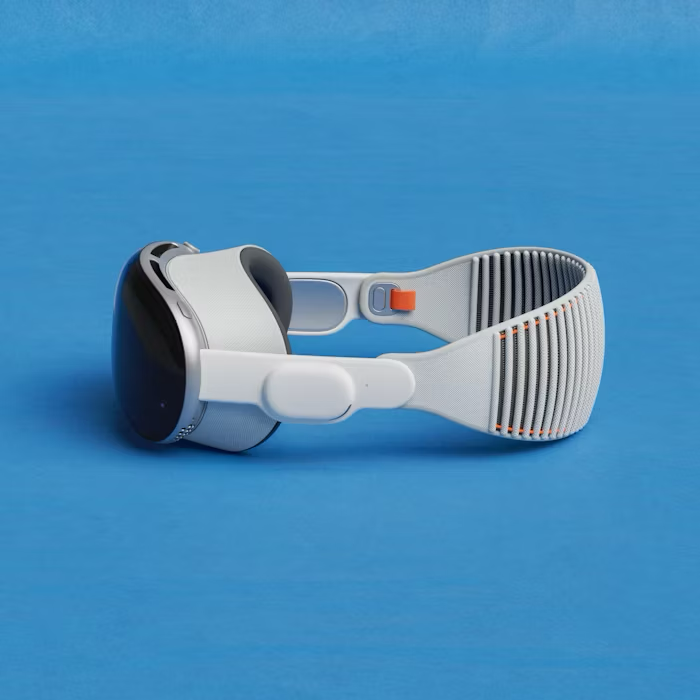
Animation has come a long way from hand-drawn cells to computer-generated imagery. Now we’re standing at the edge of another massive transformation. AI animation trends and AR VR motion graphics future are reshaping how stories are told and experienced.
The coming decade will be a period of transformation that will render the existing animation nothing but a primitive version of the early cartoons. Viewers of virtual reality will be directly inside the animated worlds. In contrast, augmented reality merges the animation with the viewer’s immediate environment. AI is taking over the repetitive tasks, thus giving more room for creativity.
This is not merely a matter of impressive visual effects. The mentioned technologies are, in fact, altering the very basic bond between the creators and the spectators. The traditional way of watching movies will soon be replaced by interactive experiences. The content will be tailored to suit the individual preferences. The animation today has become the most engaging, smartest, and easiest to access ever before.
AI in Animation
How AI is transforming Animation Production
Artificial Intelligence is at the forefront of changing each stage of animation production. AI tools now handle tasks that once required teams of artists working for months. AI tools clean the motion capture data automatically, generate background details procedurally, and even create character animations with machine learning.
That does not mean AI is replacing the animator. It’s actually freeing the animator from repetitive work so they can concentrate on creative decisions. An animator can spend their time on performance and emotion rather than tweaking every frame manually. It is a technology that amplifies human creativity, rather than replacing it.
AI-Powered Character Animation
AI algorithms can create realistic character animations from simple inputs today. You can describe something and see an AI produce walking, running, or even dancing animations. These tools learn from huge databases of motion capture data.
Results are not perfect yet, but they are getting better fast. Soon, animators will be roughing out scenes with AI generation and then manually refining the details. The hybrid approach represents a balance between efficiency and artistic control.
Automated Lip Sync and Facial Animation
Getting the lip sync right was once an incredibly laborious process; one would have to manually match every single phoneme in the dialogue with a mouth shape. Now, AI handles this automatically with impressive accuracy.
Facial animation systems make use of machine learning for the creation of emotional expressions. The AI analyzes the tone of voice and generates appropriate facial movements. What once took days now happens in minutes.
Style Transfer and AI Art Direction
Style transfer AI can apply the look of one animation to another automatically. Want your realistic characters to look like a Pixar film? AI can approximate that transformation, opening up creative possibilities previously impossible.
AI art direction tools suggest color palettes and composition improvements, and analyze what makes successful animations work visually. These insights help both seasoned artists and newcomers make better creative choices.
Virtual Reality (VR) and 360° Motion Graphics
Immersive Animation Experiences
Instead of just looking at an animated world from the outside, virtual reality puts a viewer inside it. You can look freely around you and feel present in the story space. This changes everything about how animation narratives work.
Traditional animation controls precisely what you see at each moment in time. VR animation has to consider viewers looking anywhere. This requires new ways of storytelling that direct the attention without forcing it. The best VR animations feel like an exploration of a world, rather than watching a movie.
360° Storytelling Techniques
To create compelling 360° motion graphics, composition and pacing need to be reconceptualized. The key action has to happen in a viewer’s natural field of view. Sound design is required to direct attention to events happening behind the viewer.
New visual languages are being developed by animators for VR storytelling. Spatial audio guides viewers to turn toward important moments, while environmental cues lead eyes where the story needs them. These techniques are still evolving as the medium matures.
VR Animation Tools & Workflows
New tools let animators work directly in VR space. Artists can sculpt and animate while inside a headset. It’s an intuitive approach that feels more like puppetry than traditional computer animation.
Production pipelines are updating to support VR. The rendering of 360° environments requires more computing power. Game Engines like Unreal and Unity are becoming industry standards for animating in VR. These technologies allow interactivity that was previously impossible with traditional rendering.
Use Beyond Entertainment
VR animation goes far beyond movies and games. Medical training uses VR to teach surgical procedures; architects walk clients through animated building designs, while educational content brings historical events to life in an immersive way.
Museums are creating VR experiences that transport visitors into ancient civilizations, while therapy applications incorporate calming animated environments. The practical applications of VR animation are expanding very fast. Explore professional animation services to see what’s possible today.
Augmented Reality in Brand Experiences
AR’s Growing Role in Marketing
AR projects digital content onto the world around us via smartphone screens or AR glasses. Brands use the technology to create memorable customer experiences. AR fills the gap between digital animation and physical reality.
The technology has matured enough for mainstream adoption. Most smartphones these days support AR applications without any special hardware. This accessibility makes AR an increasingly attractive option for brand marketers.
Interactive Product Visualizations
AR lets customers visualize products in their space before purchase. Furniture retailers let you see how a couch would look in your living room, while makeup brands allow you to virtually try on their products. These applications marry animation with practical utility.
Animations must react to lighting and perspective realistically. Products should scale correctly and interact believably with real environments. It requires sophisticated technical execution in a way that can blend seamlessly into reality.
AR filters and social media
Social media filters are the most mainstream application for AR. Millions use animated AR effects on Instagram and Snapchat every day. Brands create branded custom filters that users share with their networks.
These vary from simple overlays to complex face-tracking animations. The best ones tend to go viral and organically extend the reach of a brand. Although the barrier to entry is low, making filters that people remember requires creativity.
Location-Based AR Experiences
Location-based AR ties the animated content to specific physical places. You point your phone at a landmark and see historical scenes overlaid on the present. Museums use this as an opportunity to bring exhibits to life with animated explanations.
Marketing campaigns create AR treasure hunts in cities. Customers explore locations to unlock animated content and rewards, making this a gamification of passive advertising into an engaging experience.
Immersive Storytelling and Mixed Reality
What Makes Storytelling Truly Immersive
Immersive storytelling engages a variety of senses and gives audiences agency. You are not merely watching a story unfold, but you participate in it. Meaningfully, the line that defines viewer and character is blurred.
True immersion requires much more than just a visual feast. The story must react to viewer choices and actions. The presence is enhanced by sound design and haptic feedback. All pieces act together to convince your brain that you are elsewhere.
Mixed Reality Combines Physical and Digital
Mixed reality combines VR and AR technologies into hybrid experiences. Digital animations interact with real physical objects, and physical props have digital enhancements overlaid on them.
This combination offers the best of both worlds: the physicality of real objects grounds the experience, while digital elements add impossible magic. The result feels more tangible than pure VR and more fantastical than reality.
Volumetric Capture and Holographic Animation
Volumetric capture creates three-dimensional recordings of real actors and objects. Unlike traditional video, you can view volumetric captures from any angle. This is a technology that brings photorealistic humans into animated environments.
These captures are shown floating in real space, sans screens, by holographic displays. While this is still an emerging technology, it certainly has the potential to change the way we experience animation: animated characters walking around your living room as solid-seeming holograms.
Interactive Narratives and Branching Stories
Immersive animation allows for stories that change based on viewer choices. You might decide which character to follow or how a scene unfolds. The animation changes in real time, based on your decisions.
These branching narratives take exponentially more content to create than linear stories do. AI tools help generate the variations efficiently. The result is personalized storytelling in which no two viewers have identical experiences.
FAQs
How is AI changing traditional animation workflows?
AI automates repetitive tasks, such as in-betweening and lip sync. Artists can pay more attention to creative decisions and less to technical execution. Production times go down, but quality increases.
What equipment do I need to create a VR animation?
Basic VR animation calls for a computer with a good graphics card and a VR headset. For professional work, this requires stronger hardware; many tools now support standalone VR headsets for easier creation.
Is AR animation expensive to produce?
Basic AR filters remain relatively inexpensive to create; more complicated AR experiences with custom animations cost more. These usually earn good returns in terms of engagement for marketing applications.
How will AI affect animation jobs?
AI will shift the animators’ roles to creative direction and refinement. While technical skills remain relevant, creative vision becomes more important. New roles will emerge with respect to the management and implementation of AI tools.
What’s the difference between VR and AR animation?
While VR creates a completely immersive digital world, AR digitally enhances the real world. Mixed reality uses both approaches to build hybrid experiences.
Conclusion
The future of animation will arrive sooner than most people think. AI animation trends are changing production workflows today. AR/VR motion graphics-future technologies are moving from experimental to mainstream.
None of these technologies is a substitute for traditional animation; they simply open up more avenues. The animators have, now more than ever, a wide range of tools and media through which they can create and tell fascinating stories. Good storytelling is universal and continues even if the methods of delivery are different.
It is a perfect time to see the benefit of these technologies in your projects. Immersive animation not only offers the creation of new marketing content but also the making of entertainment experiences in a way that attracts new audiences. The companies and artists who will be the first to use these tools will set up the next period of visual storytelling.
Do not allow yourself to be left behind as animation changes. It is the perfect time to experiment with AI tools and immersive platforms. It is true that there is a learning curve, but at the same time, the potential rewards can be huge. The future of animation is currently being created. Will you be a part of it?
Sign Up for Our Newsletters
Get notified of the best deals on our WordPress themes.
 Delta Animations. All rights reserved | Cookie Settings, Anti-Spam, Privacy, User agreement, Legal Notice and Responsible Disclosure